
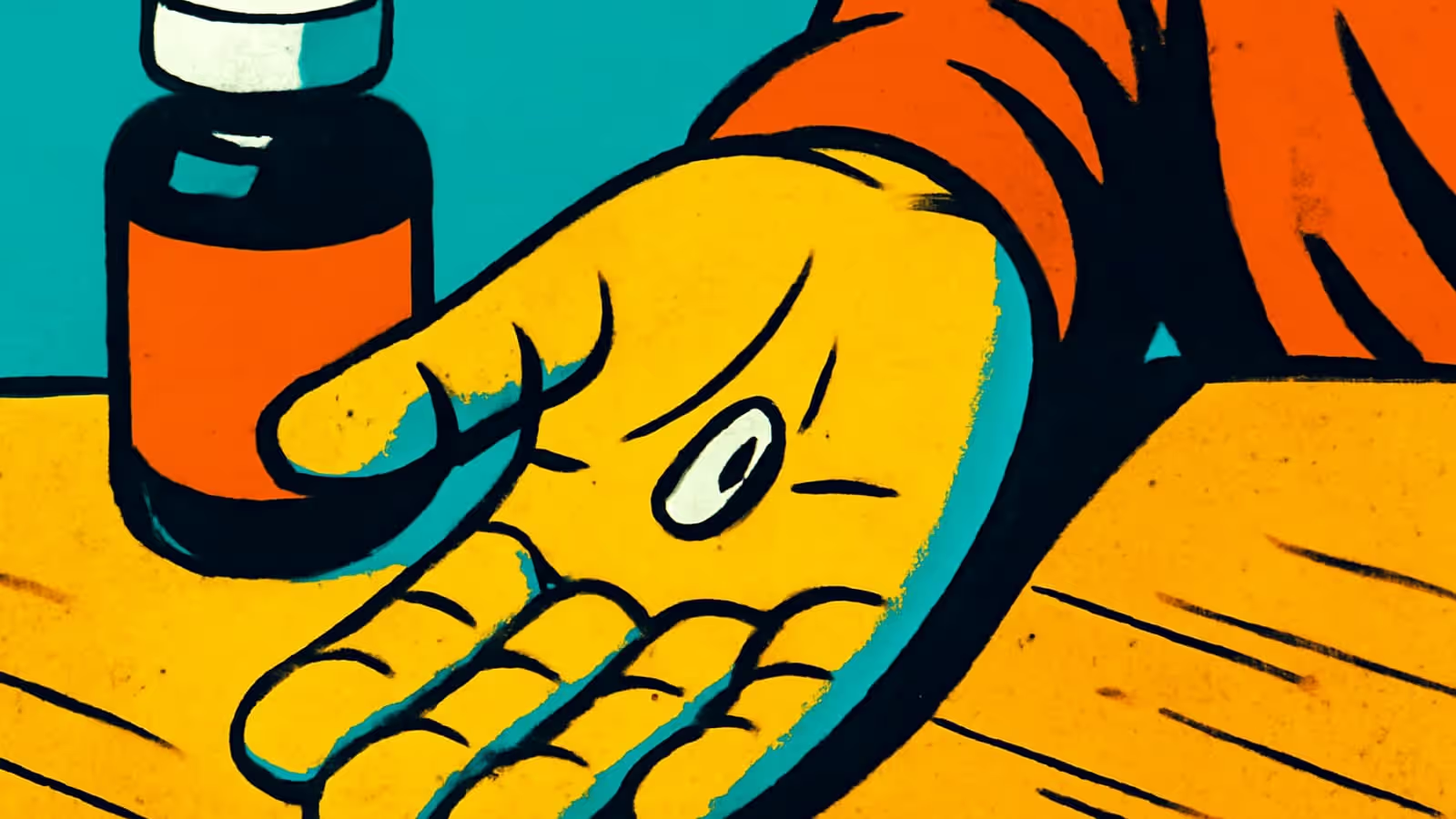
The practical difference between stimulant and non-stimulant ADHD medication is not strength, it is shape. A stimulant arrives within the hour, does its work, and leaves the same day. A non-stimulant builds over weeks and then sits level, with no peak and nothing to wear off.
That single distinction explains most of what follows, including why a bad first week means something completely different depending on which one you were given.
What each class actually does
Stimulants increase the availability of dopamine and noradrenaline in the brain. Methylphenidate does it by blocking reuptake; the amphetamines do it by that route and by pushing more out. Both take effect in roughly 30 to 60 minutes and clear within hours, which is why the dose can be timed around a school day or a shift.
Non-stimulants work on noradrenaline by slower routes. Atomoxetine blocks its reuptake and takes weeks to reach full effect. Guanfacine and clonidine act on a different receptor family and are often used where sleep or tics are part of the picture. None of them produces the same-day on-and-off pattern, which is the point of them for some people and the frustration of them for others.
Two consequences follow that nobody mentions at the appointment. A stimulant gives you a clean experiment, since you can compare a dosed day with an undosed one. A non-stimulant does not, so judging it needs a month and preferably a record rather than a memory.
What the largest comparison actually found
Stimulants came out ahead on short-term symptom reduction. A network meta-analysis pooling randomised trials across children, adolescents and adults compared the available drugs on efficacy and tolerability at around twelve weeks, and rated methylphenidate the preferred first choice for children and adolescents and the amphetamines the preferred first choice for adults. [cortese-2018-network]
A schematic of the trade-offs described in this article, drawn to show direction rather than to reproduce trial effect sizes.
Three limits belong with that result, and they are what stops it being a prescription. The trials ran for weeks rather than years, so they measured a symptom score and not whether somebody was still taking the drug two winters later. They report averages across groups, and the spread inside those groups is wide enough that the second-ranked option is the better one for a great many individuals. And tolerability was measured as trial dropout, which is a crude proxy for the specific side effect that would make you stop.
What actually decides it for a person
Not the ranking. The things that move the answer are mostly about the rest of your health and the rest of your day.
Sleep is the most common. A stimulant taken too late, or a long-acting one in somebody who metabolises it slowly, produces insomnia that then looks like worsening ADHD. Appetite suppression matters more in a child whose growth is being tracked. Existing anxiety can be aggravated by a stimulant and is one of the more common reasons a prescriber starts elsewhere. Tics, cardiovascular history, and a personal or family history of substance misuse all shift the calculation, and guidance sets out the checks a prescriber should be doing before and during treatment rather than leaving it to preference. [nice-ng87-meds]
There is also the ordinary practical layer, which nobody writes about and everybody lives with: controlled-drug prescribing means monthly collections and less flexibility if you travel, and that is a real cost for somebody whose difficulty is remembering to do things on a schedule.
Age changes it too, in a direction people find counterintuitive. The network meta-analysis ranked methylphenidate first in children and adolescents and the amphetamines first in adults, so the drug somebody was started on at nine is not automatically the one that suits them at twenty-nine, and a review at the point of moving to adult services is worth asking for rather than waiting to be offered.
And the order is not fixed. Guidance does not treat medication as the automatic first move for everybody: in younger children, environmental and behavioural support comes first, and medication is considered when that has not been enough. Our guide to parenting a child with ADHD covers what that support actually consists of.
The two side by side
The differences that matter day to day are not the ones on the packet.
| Stimulants | Non-stimulants | |
|---|---|---|
| Examples | Methylphenidate, amphetamines | Atomoxetine, guanfacine, clonidine |
| Onset | 30 to 60 minutes | Two to six weeks |
| Shape of the day | Peaks, then wears off | Level, no peak and no crash |
| How soon you know | Days | A month |
| Common trouble | Sleep, appetite, anxiety, heart rate | Nausea early on, tiredness, slow start |
| Prescribing | Controlled drug, tighter rules | Ordinary prescription |
| Often chosen when | Speed and daytime cover matter most | Anxiety, tics, sleep or misuse concerns |
Read the “how soon you know” row twice, because it is the one that quietly decides outcomes. People stop a non-stimulant in week two on the evidence of a stimulant timeline, conclude that medication does not work for them, and are still saying so five years later.
What neither one does
Medication reduces inattention, hyperactivity and impulsivity. It does not build the systems, and expecting it to is the single most common disappointment.
A stimulant will not create a calendar habit, will not repair the reputation from a run of missed deadlines, and will not touch the belief somebody has formed over twenty years about being fundamentally unreliable. [dsm-adhd-meds] Those need something else, and the something else works considerably better once the medication is settled, which is the real argument for treating them as a package rather than a sequence. Our guides to executive dysfunction and work accommodations for ADHD cover the structural half, and the ADHD guide covers the whole picture.
Worth raising at your next appointment?
Tick anything true of the last month. This is a prompt for a conversation with a prescriber rather than a test, and it produces no diagnosis.
0 of 6 ticked
Several of these are dose or timing problems rather than reasons to stop, and all of them are fixable by somebody who knows what you are taking. Write them down before the appointment, since ten minutes goes quickly and the specific ones are what get acted on.
Pick the single item you ticked and raise that one. Sleep is usually the one worth naming first, because it makes everything else harder to read.
Nothing here suggests a change is needed. Worth rereading if the dose changes or if you move to a different preparation.
No screener on this site measures ADHD, so the link above goes to the hub rather than pretending otherwise. Medication questions belong with a prescriber in any case.
When to seek help
Speak to your prescriber rather than adjusting anything yourself if you cannot sleep on dosed days, if your appetite or weight has changed noticeably, if you feel more anxious or unusually flat, or if the effect has fallen off after months at a dose that used to work. Chest pain, palpitations or fainting need urgent medical attention rather than a routine appointment.
Ask two specific questions if you have not already: what would it look like if this were working, and when do we review it. A great many people take the same dose for years because nobody set a point at which to check.
Contact your local emergency services or a crisis helpline if you feel unsafe or have thoughts of harming yourself.
How MyFreud can help
MyFreud is a mobile app that helps you find solutions to problems that have affected your mind and productivity. Daily tracking is unusually useful during a medication trial, because judging a non-stimulant needs a month of evidence and memory supplies about four days of it. Live coaching sessions cover the half medication does not reach, the systems and the timing, and each one ends with an actionable plan rather than encouragement. The notepad is where the questions for the next appointment go, since the ones that get answered are the ones written down.
Download MyFreud and start today: App Store or Google Play.