
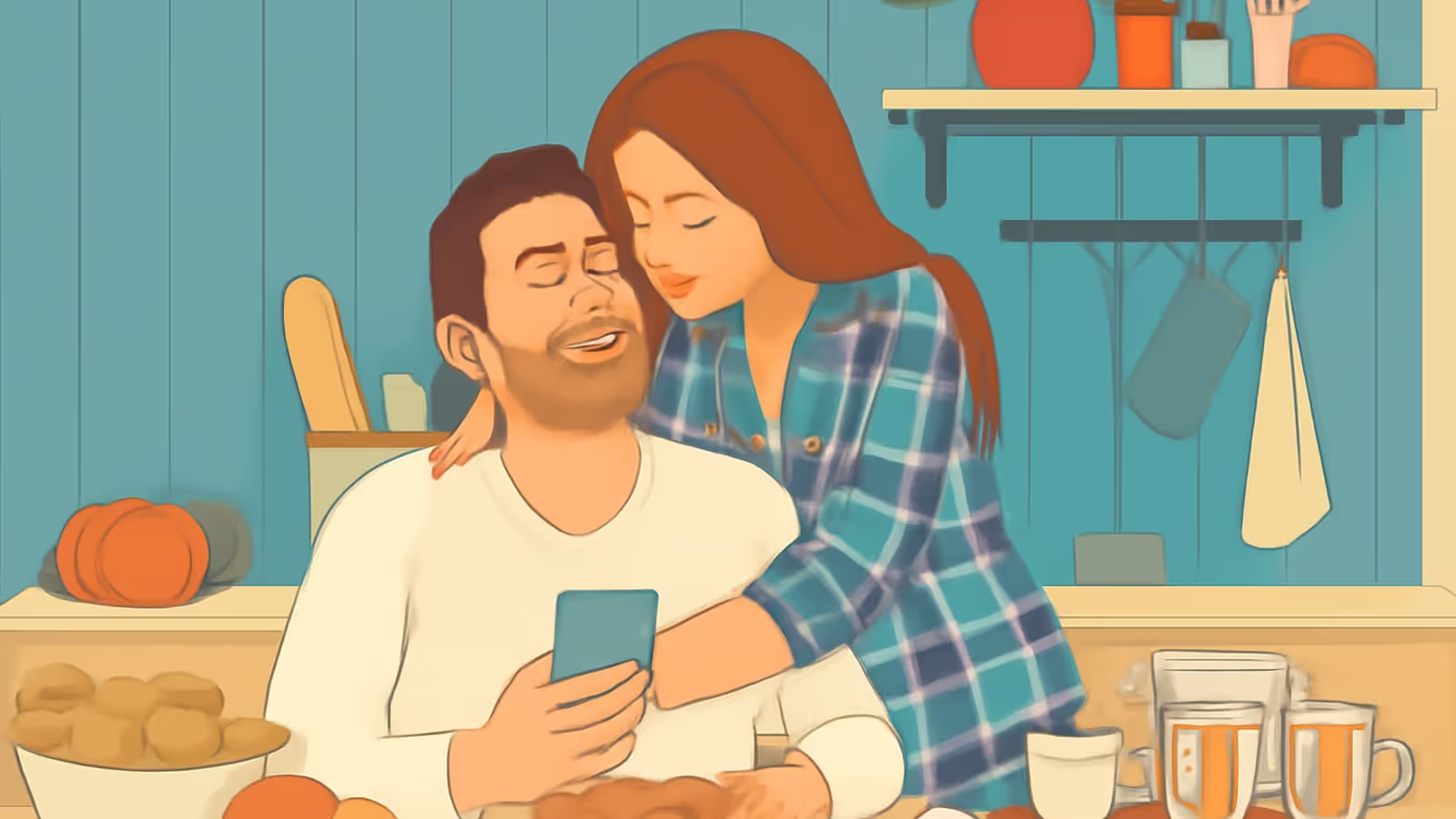
A gratitude note is a short message that names something a person did and says what it meant to you. For a partner, the research suggests it is worth the two minutes: in couples, gratitude on a given day predicted a stronger sense of connection the next day, and people consistently underestimate how good a note of thanks feels to receive. [algoe-2010-little-things] [kumar-2018-undervaluing] This guide covers what that research found, how to write a gratitude letter or note that lands, and what the studies cannot tell you.
What is a gratitude note, and why write one to a partner?
A gratitude note is a brief written message that says what someone did and what it meant to you. Writing one to a partner is a deliberate form of what researchers call expressed gratitude, which is saying thanks in a way the other person can hear.
The main theory behind it is called find, remind and bind. It proposes that gratitude is an emotion with a relational job: it helps people find responsive partners, reminds them of the value of the one they have, and binds the two together. [algoe-2012-find-remind-bind] The point of a note, on that account, is that it turns a private feeling into a signal the other person can actually receive. Our guide to relationships covers the wider picture of what keeps a bond steady.
What does the research on couples show?
In a diary study of 67 cohabiting couples, gratitude on a given day predicted more connection and satisfaction the next day, for both partners. Each person filled in a nightly diary for two weeks, recording thoughtful things they had done for their partner and things their partner had done for them. [algoe-2010-little-things]
Gratitude also did something that feeling indebted did not. The researchers found that gratitude had unique power to predict a stronger relationship, which is why they described it as a booster shot. [algoe-2010-little-things] That finding is about small, everyday exchanges, not about anniversaries or grand gestures, which is the most useful part for anyone deciding whether a short note is worth sending.
Why do people undervalue saying thanks?
Mostly because they predict it will land worse than it does. In four experiments, participants wrote a letter to someone who had touched their life in a meaningful way, predicted how the recipient would feel, and then recipients reported how they actually felt. [kumar-2018-undervaluing]
Writers underestimated how surprised recipients would be about why they were grateful and how positive they would feel, and overestimated how awkward the recipient would find it. The explanation offered was that writers worry about getting the words exactly right, whereas recipients respond mainly to the warmth and intent behind the note. [kumar-2018-undervaluing] That is good news for anyone who has put off thanking a partner because they could not phrase it well.
How do you write a gratitude letter or note that lands?
Name the specific thing they did, then say what it showed about them or what it meant to you. In recorded conversations between couples, one partner thanked the other for something recent, and the expressions that stood out were the ones that called out the praiseworthy quality of what the partner had done. The partner on the receiving end felt understood and validated. [algoe-2016-you-in-thank-you]
Words of gratitude and appreciation tend to work for the same reason a specific compliment does: they prove you noticed. Our guide to words of affirmation covers why specific beats general.
| Stays general | Names the thing |
|---|---|
| ”Thanks for dinner" | "Thank you for cooking when you were tired. It made me feel looked after" |
| "You are great" | "You noticed I was stressed before I said anything, and it meant a lot" |
| "Thanks for everything you do" | "Thank you for sorting the school forms. I could stop worrying about them this week” |
Two minutes, one specific thank-you
Think of one thing your partner did this week. Write down what it was and what it meant to you, then send it or hand it over today.
2:00
Name the thing, then say what it showed or what it meant. Leave out any request and any 'but'. A few honest lines is enough.
Done. Send it today, while it is still true.
If you prefer a private practice, our guide to gratitude journaling covers that. A note differs in one respect: the other person gets to read it, which is the part the research above is about.
What does this research not establish?
It does not establish that a gratitude note causes a better relationship. The diary study followed 67 cohabiting heterosexual couples who had been together at least three months, and it measured how gratitude and connection moved together from day to day. That design shows an association, not a cause, and the couples were a small sample. [algoe-2010-little-things]
The letter experiments tested one-off letters to people who had mattered to the writer, not ongoing romantic partnerships, so they say more about why people hold back than about what a note does to a long relationship. [kumar-2018-undervaluing] And nothing here shows that thanks can repair a relationship with deeper problems. Gratitude is a habit that supports a bond that is working, not a substitute for dealing with what is not.
When to seek help
Speak to a relationship therapist or a doctor if resentment, contempt or fear has taken over to the point that thanking your partner feels impossible, or if you and your partner keep having the same painful argument without getting anywhere. A therapist can work on the pattern itself, which a note cannot.
If you feel unsafe with your partner or unable to keep yourself safe, contact your local emergency services or a crisis helpline.
How MyFreud can help
The useful habit here is noticing the specific thing before you say it, and that is easy to lose on a busy day. Daily mood tracking in MyFreud shows the pattern across weeks, which turns “we have been distant lately” into something you can look back at and act on. It does not replace a conversation with your partner or professional help.
Download MyFreud and start today: App Store or Google Play.